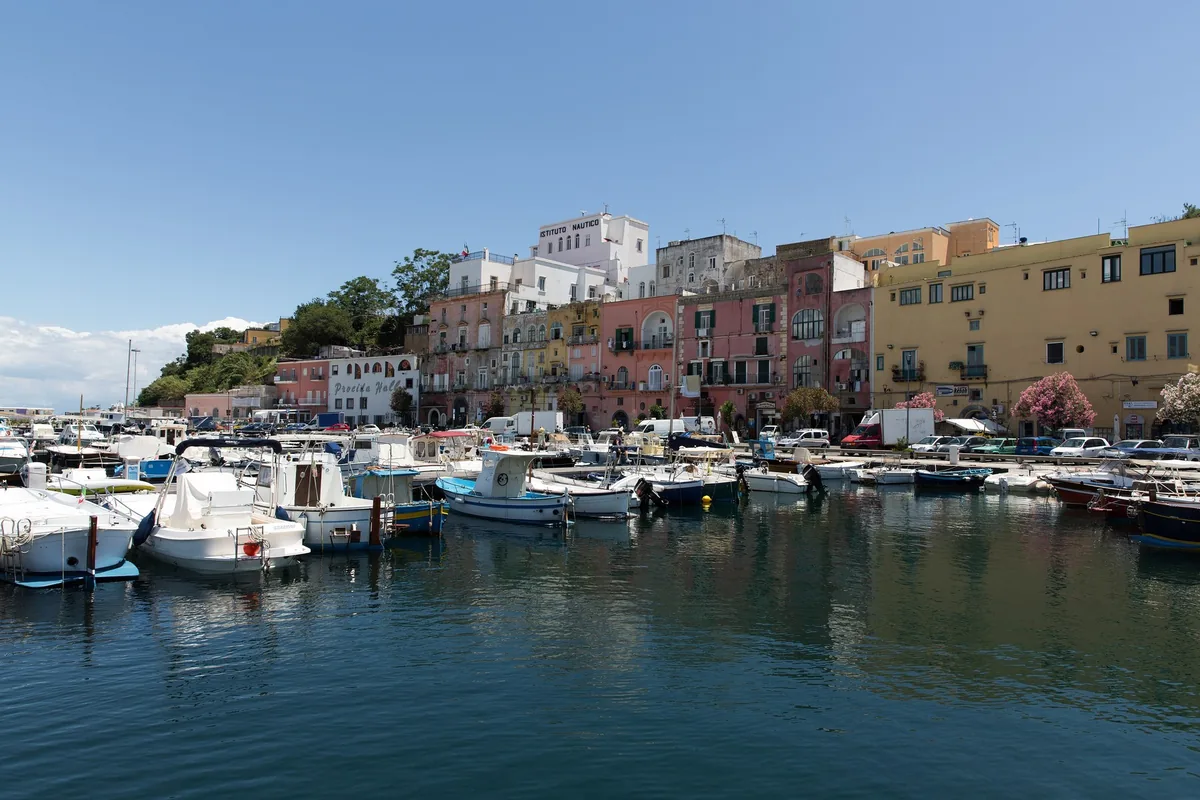

La Medusa is on Via Roma, on the harbour front at Marina Grande, and it opened in 1954: it is one of the island’s first restaurants, one of those born when the ferries brought relatives and not tourists. The menu follows the day’s market, which is to say it changes with whatever came in that morning. There is one dish that makes it worth going in, and I will say so straight away because it is the reason for this page: the pasta alla pescatora povera. And there is an honest note to make about the portions, which comes further down.
The pescatora povera, the signature dish
The pescatora you know is the one with shellfish, clams and tomato: a restaurant dish, built to make a show. The pescatora povera — here they also call it the fishermen’s own pescatora — is the exact opposite: anchovies, fried friggitelli peppers and pecorino. No shellfish, no tomato. It is what was eaten by the people who sold the good fish and kept the oily fish for themselves.
It works for a precise technical reason: the anchovy dissolves into the sauce and salts the dish by itself, the fried friggitello brings sweetness and a faintly bitter base, the pecorino closes it with fat and salt. It is a seafood dish without the sea, and you will not find it like this anywhere else. If you order one thing here, order this.
The rest of the menu follows the tradition of the bay. The spaghetti ai ricci is there, with the usual warning: urchin harvesting is subject to limits for sustainable fishing, so availability is not guaranteed and has to be asked about. The cicale di mare, mantis shrimp, when they are in, are the best thing the bay’s fish counter can offer in spring.
Portions and prices: the off note
Here I have to be blunt, because it is the note that recurs most often among people who eat here: the portions are small for what you pay. It is not a problem of quality — the travellers’ rating is 4.1 out of 5 from about 530 reviews, with a Travellers’ Choice 2025 award — but of proportion between plate and bill. Anyone who arrives hungry after a day going round the island tends to come out dissatisfied.
The countermeasure is simple: order the way people used to order, that is one course more and not one fewer. A shared starter, a first course each and a side dish hold up better than a thin first and main. No published average price exists for this address, so I am not inventing one for you: we are in the mid bracket, like almost all the island’s restaurants. The only verified figures on Procida are those of Caracalé and La Conchiglia, about 40 EUR a head, and of Da Girone, between 20 and 40 EUR.
The rule about the catch by weight applies here too: before it goes to the kitchen, price per kilo and size of the fish. On a whole fish it is the item that shifts the bill more than any other.
Where it is and when to go
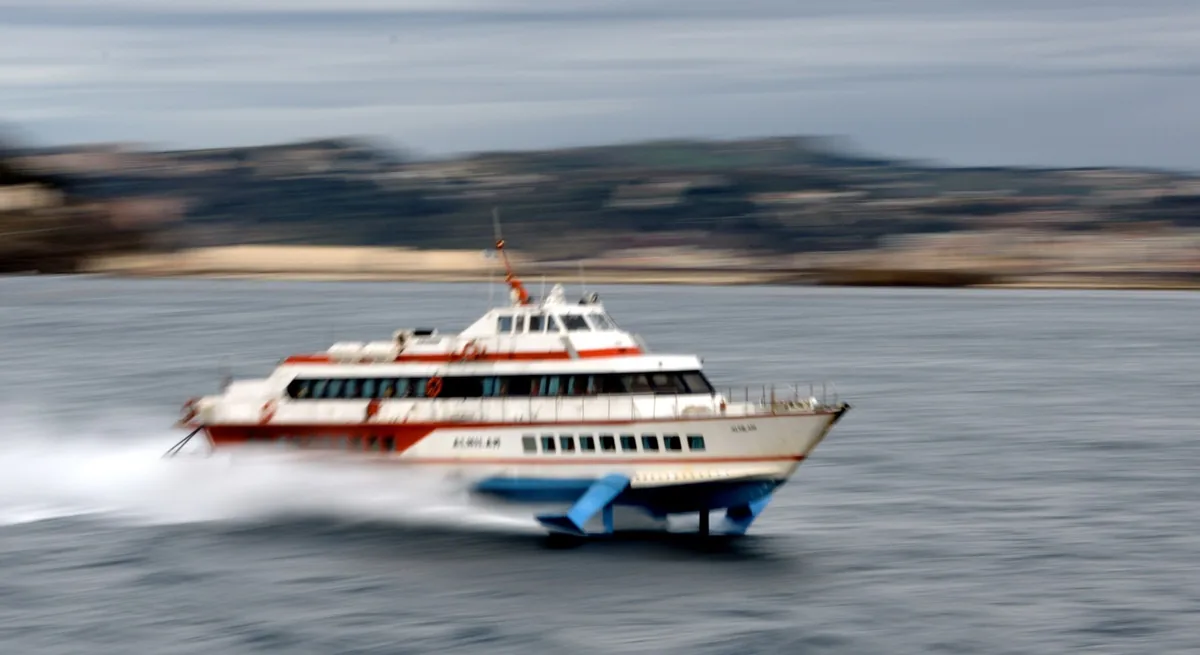
Via Roma 116 is on the harbour front, a few minutes on foot from where the ferries land: no climb, no stairway, a rare convenience on a vertical island. It is the right address if you have the ferry back to catch and do not want to gamble the connection climbing up from Corricella. The opening hours on this page stay empty because I have not been able to verify them: ring +39 081 896 7481 and ask, especially off season.
The seasonality, as for most of the island’s places, is not reliably documented. What can be said in general is that Procida closes a great deal in winter: between November and March a fair number of kitchens stop or cut their days, and Marina Grande stays the area with the most places open because Procidans live there. Before you cross the town, a call.
If you are wondering what month to come, the page on when to visit Procida lines up the sea, the crowds and the openings.
A menu that changes every day
"It follows the day’s market" is a formula many restaurants use and few honour. Here it means that the written menu counts for less than what they tell you at the table: ask what came in that morning and order that. It is the only sensible way to eat fish on an island where the catch depends on the previous night’s wind, and it keeps you safe from the dish kept on the menu out of habit.
It has a practical consequence: if you have a particular dish in mind, you risk not finding it. The cicale di mare, for example, are a matter of season and of luck, not a fixed item. The same goes for the sea urchin. Anyone who arrives with a mental shopping list comes away disappointed; anyone who trusts what is there eats better.
It is also a good place to understand the difference between this island’s cooking and that of the limone pane, which is the other half of Procidan gastronomy and lives above all in the houses, in the pastry shops and on two or three menus at the Chiaiolella. On the harbour you eat fish from the bay; the lemon you meet at breakfast, not at dinner.
The verdict
I go for the pescatora povera and for the history: seventy years on the same harbour front is a serious thing, and a kitchen that follows the day’s market is the only honest way to do fish. I go knowing that the portions are not generous and ordering accordingly. With that expectation calibrated, it is a fine dinner.
If you are after the view, though, this is not the right page: for that you go to La Lampara above Corricella or to the square at Assafà. If the fish has worn you out after three days, a couple of steps away there is Re Ferdinando, which is a steakhouse as well. The full picture is in the guide to Procida’s restaurants.